€54,00
VISA, APPLEPAY, GPAY
Hassle-free returns within 30 days
Guaranteed quality
We’re here anytime
From €130
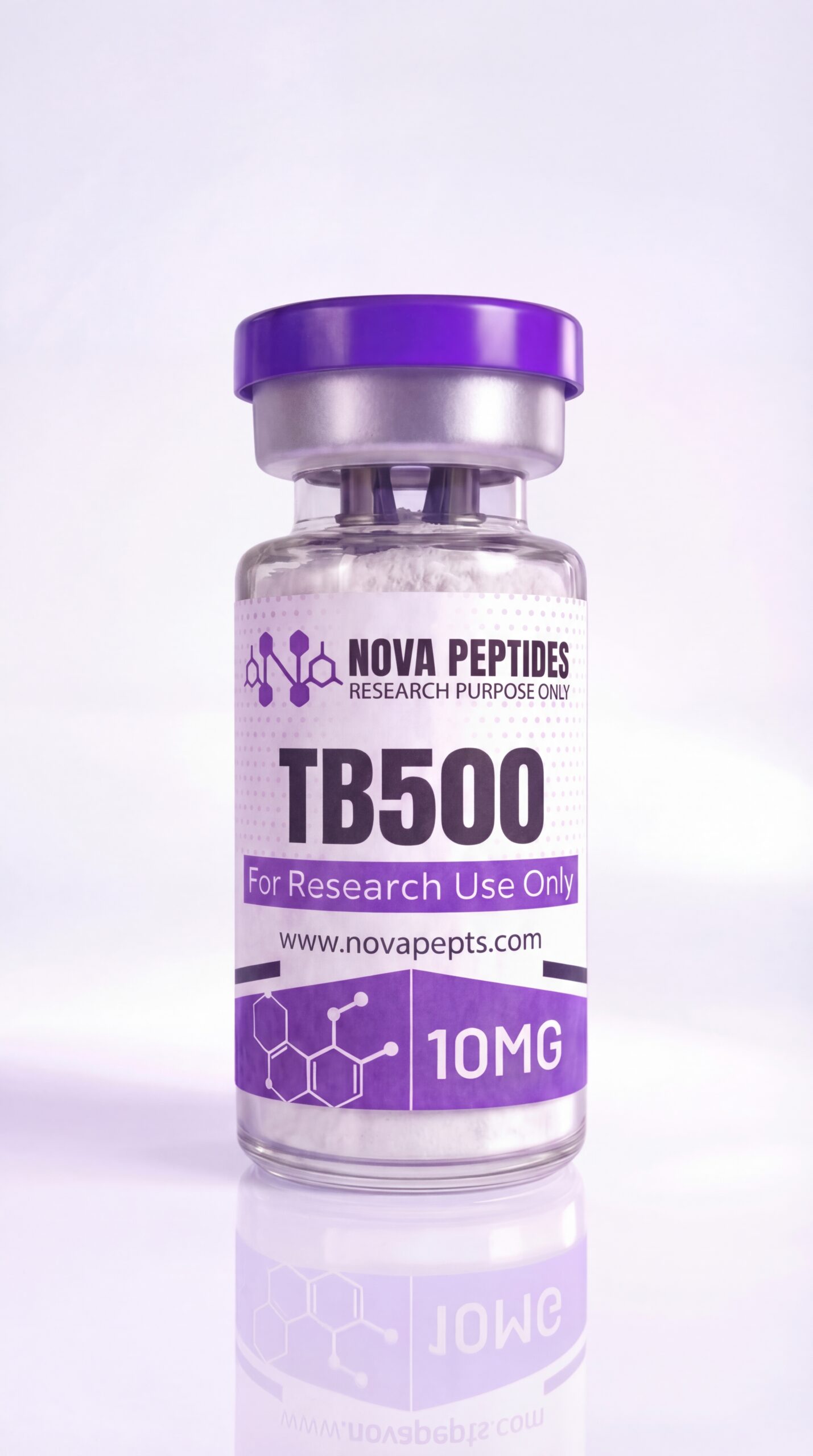
TB-500 is a synthetic version of Thymosin Beta-4, a naturally occurring peptide in nearly every human cell. It plays a central role in cell repair, tissue regeneration, and inflammation control. By managing a protein called actin, TB-500 supports healing wherever the body needs it most.
Widely studied in sports medicine, chronic injury recovery, and immune support, TB-500 has become a key peptide for researchers investigating regeneration and overall health optimisation.
Athletes and bodybuilders use it for faster recovery from muscle, tendon, and ligament injuries. Those with chronic conditions or preparing for surgery may benefit from its potential to reduce scarring and accelerate tissue repair. Biohackers explore TB-500 for broad systemic regeneration and wellness support.
TB-500 is the lab-synthesized form of Thymosin Beta-4, a peptide with systemic healing potential.
Key functions include:
• Cell migration – directing repair cells to damaged tissue
• Actin regulation – ensuring structural proteins are available for healing
• Anti-inflammatory signalling – reducing excessive inflammation to prevent further tissue damage
Unlike other peptides that target specific areas, TB-500 works broadly across the body, making it valuable for muscle, tendon, ligament, cardiovascular, and nerve tissue research.
TB-500 enhances the body’s natural healing response in muscle, tendon, and ligament injuries. Studies show improved flexibility, strength, and recovery under stress, making it a focus for sports medicine research.
TB-500 has been shown to accelerate healing from deep cuts or surgical incisions while reducing scar tissue formation. Researchers exploring faster wound healing and immune support may find it especially valuable.
Research indicates TB-500 may support corneal and optic nerve tissue repair, showing potential in ophthalmology and nerve regeneration studies.
By promoting cell repair and reducing inflammation, TB-500 has potential for improving mobility, joint function, and arthritis-related stiffness.
TB-500 stimulates new blood vessel formation and may reduce post-heart attack scarring, improving heart elasticity and overall cardiovascular health.
TB-500’s systemic effects make it relevant across multiple research areas:
• Athletes and bodybuilders: faster recovery from muscle, tendon, and ligament injuries
• Biohackers: systemic healing, inflammation control, and cardiovascular protection
• Patients recovering from surgery or chronic injuries: enhanced tissue repair and wound healing
Research into TB-500 continues to expand, highlighting its broad regenerative potential.
Typical in-vitro dosing is carefully adjusted based on research goals:
• Minor injury recovery: 0.5–2.5 mg, twice weekly, for 4–6 weeks
• Acute tendon or muscle injuries: 2.5 mg, twice weekly for 2–3 weeks, then 2.5 mg weekly for 3–4 additional weeks
• Longevity and general health: 1.5–2 mg, twice weekly for 4–8 weeks
• Scar reduction: 2.5 mg, three times weekly for two weeks, then twice weekly until healing
Reconstitution: 1–2 mL bacteriostatic water per 5 mg TB-500 vial, administered subcutaneously or intramuscularly near the injury. Store in the fridge.
Can TB-500 heal tendons?
Preclinical studies show promise in tendon healing, acting systemically to lower inflammation and increase collagen production.
Which is better, TB-500 or BPC-157?
BPC-157 targets localized injuries, especially gut, muscle, or joint healing. TB-500 works systemically, supporting multiple tissues across the body.
How long until TB-500 shows effects?
Inflammation may reduce within 1–2 weeks, while deeper healing becomes evident around 3–6 weeks.
What is the best peptide for healing?
It depends on the target tissue. TB-500 is ideal for deep and chronic injuries, BPC-157 for gut and localized repair, and GHK-Cu for skin regeneration.
DISCLAIMER
TB-500 is intended for in-vitro research only and is not for human use. It cannot be:
• Used in clinical trials with humans
• Administered to humans
• Supplied for human investigational use