€37,00
VISA, APPLEPAY, GPAY
Hassle-free returns within 30 days
Guaranteed quality
We’re here anytime
From €130
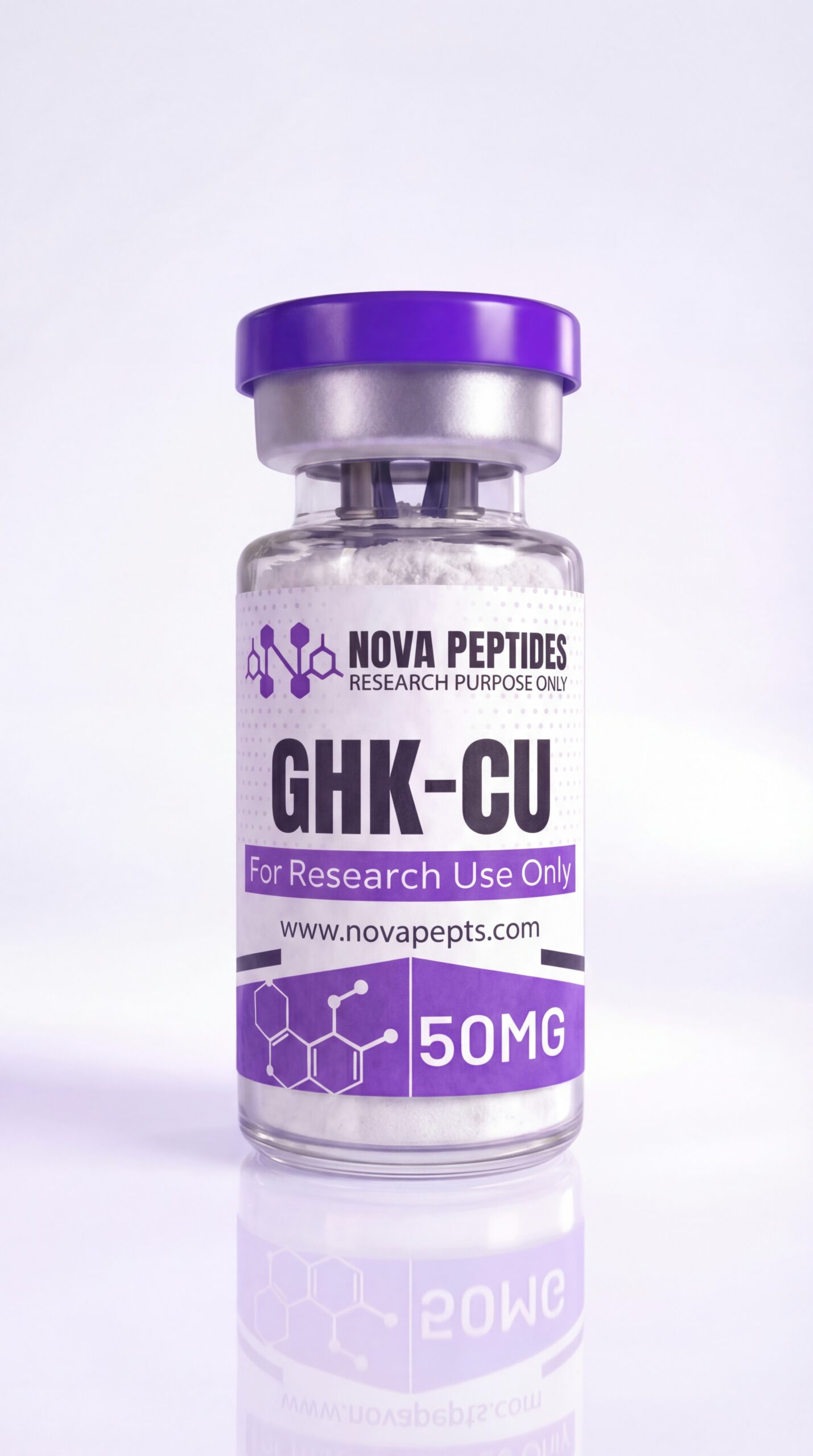
GHK-Cu is a copper-bound tripeptide composed of glycine, histidine, and lysine that acts as a master regulator of cellular repair. It reduces oxidative stress, promotes skin and blood vessel regeneration, and lowers inflammation by modulating thousands of genes. Natural GHK levels drop significantly with age and by age 60 are less than half of what they were at 20, diminishing the body’s natural repair capacity.
Synthetic GHK-Cu delivers a copper-enhanced repair system. It stimulates collagen and elastin production three times more in fibroblasts, speeds up wound healing, protects against oxidative stress, and encourages stem cell production. GHK-Cu is a focus of anti-aging research and has broad potential applications ranging from topical skincare to systemic recovery.
Reliable research starts with a trusted supplier. CellPeptides is an EU-based research company that manufactures pharmaceutical-grade peptides in a WHO GMP and ISO 9001:2015 certified laboratory.
Researchers choose CellPeptides for GHK-Cu because
• We provide 99 percent pure GHK-Cu designed for precise study
• Copper ratios are optimised at 1 to 1 for maximum bioavailability
• Independent lab testing verifies composition and purity
• Worldwide shipping is fast, insured, and includes tracking
• Flexible payment options include credit card, bank transfer, and cryptocurrency
• Our expert support team answers questions on peptides or ordering
GHK-Cu modulates thousands of genes to trigger effects that contribute to healing and regeneration at the genetic level. It enhances the body’s defenses against DNA damage, rebuilds connective tissue, blood vessels, and skin, and lowers inflammation.
GHK-Cu increases collagen and elastin production, removes damaged cells, boosts fibroblasts, and supports new stem cell growth by recruiting repair cells to injured sites. The copper in GHK-Cu stabilizes the peptide and helps deliver repair activity where it is needed.
Skin Regeneration and Anti-Aging
GHK-Cu stimulates collagen and elastin production more effectively than vitamin C or retinoic acid. Research shows significant improvements in wrinkle reduction, skin tightening, and scar healing.
Chronic and Acute Wound Repair
Studies show GHK-Cu can accelerate healing of diabetic ulcers and post-surgical wounds. Copper content also provides antibacterial effects that can reduce infection rates.
Hair Health and Follicle Revival
GHK-Cu has been studied for melanocyte reactivation and follicular regeneration. Research indicates increased follicle size and proliferation, supporting potential applications in hair restoration and gray hair reversal.
Systemic Inflammation
GHK-Cu exhibits strong anti-inflammatory effects in tissues distant from the administration site. Studies have demonstrated benefits for cartilage preservation, rheumatoid arthritis, and reduced collagen buildup in pulmonary fibrosis.
Brain Health
GHK-Cu shows potential for neuroprotective effects. Early studies suggest it may restore cells to a more youthful state, offering promise for cognitive decline and neurodegenerative disorders.
Topical or subcutaneous and intramuscular injections are the most common methods of administration. Injections are generally more potent.
• Skin health research typically uses 1 to 2 mg daily or 5 mg weekly
• Hair rejuvenation studies use systemic doses of 2 mg per week
• Chronic wound healing protocols use 3 to 10 mg weekly until healing is achieved
• Longevity studies often administer two weekly doses of 2 to 5 mg over eight weeks followed by a four-week break
• Initial dosing for tolerance ranges from 0.1 to 0.5 mg subcutaneous or intramuscular with gradual increases
Reconstitute GHK-Cu by adding 2 mL of BAC water to a 50 mg vial. Store in the refrigerator away from light and use within 30 to 60 days. Use our peptide dosage calculator to determine volume based on BAC water added.
Does GHK-Cu activate stem cells
Yes. GHK-Cu promotes stem cell recruitment to damaged tissues via SDF-1 signaling.
Is GHK-Cu the same as other copper peptides
GHK-Cu is one type of copper peptide. Others include Cu-GHK and Copper Tripeptide-1 with different copper bonds.
What are the potential side effects of GHK-Cu
Blue or green urine is a common non-dangerous side effect. Redness or itching at the injection site is also possible.
What is the difference between GHK and GHK-Cu
GHK does not contain copper. Copper increases peptide bioavailability, making GHK-Cu more potent. GHK levels naturally decline with age.
DISCLAIMER
GHK-Cu is intended for in-vitro research only and cannot be
• Used in human clinical trials
• Administered to humans
• Supplied for human investigational use